
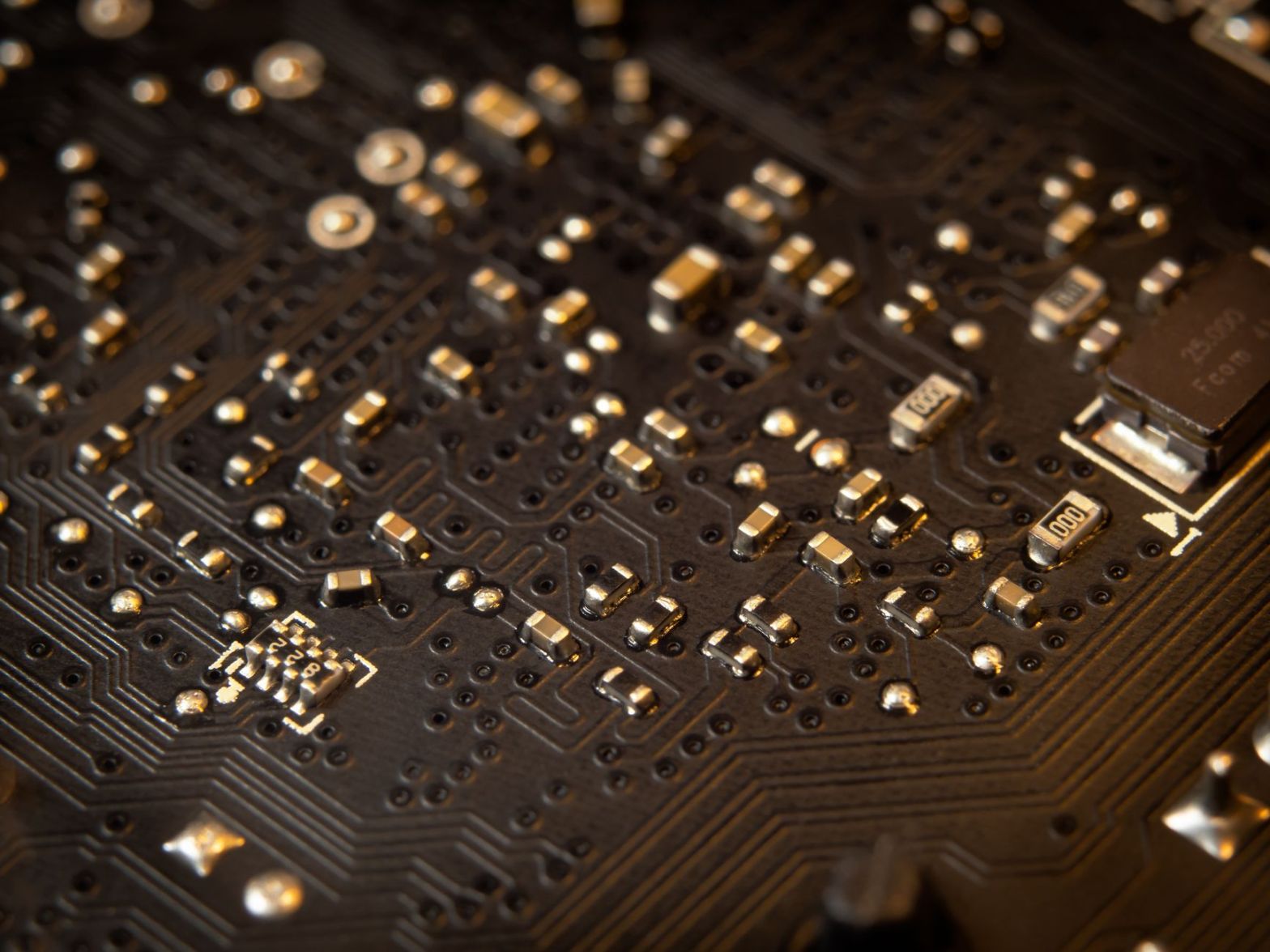
What used to be considered a premium add-on for commercial HVAC systems, networked smart controls and remote monitoring, is increasingly the baseline expectation for new commercial installations. The shift is being driven by a combination of factors: falling hardware costs, utility incentive programs that favor demand-responsive systems, and building owners who have simply gotten used to managing other building systems remotely and want the same visibility into HVAC performance.
The practical benefit for commercial property owners is early problem detection. Modern building automation systems can flag a slowly declining refrigerant charge, an unusual compressor cycling pattern, or a sensor reading drifting out of range well before any of those issues become a comfort complaint or a system failure. That’s a meaningful change from the traditional model of waiting for a tenant to call about a warm office.
There’s also a financial angle. Several Southern California utility programs now offer more favorable incentive tiers for commercial buildings that can demonstrate demand-response capability, meaning the ability to automatically reduce HVAC load during peak grid stress periods. That capability generally requires networked controls as a prerequisite.
For older buildings running on standalone thermostats and basic timers, retrofitting smart controls is often a more accessible upgrade than a full equipment replacement, and it can meaningfully extend the useful life of existing equipment by allowing more precise, less strenuous operation. It’s worth a conversation with your service provider about what level of control upgrade makes sense for your specific system age and building use pattern.

