
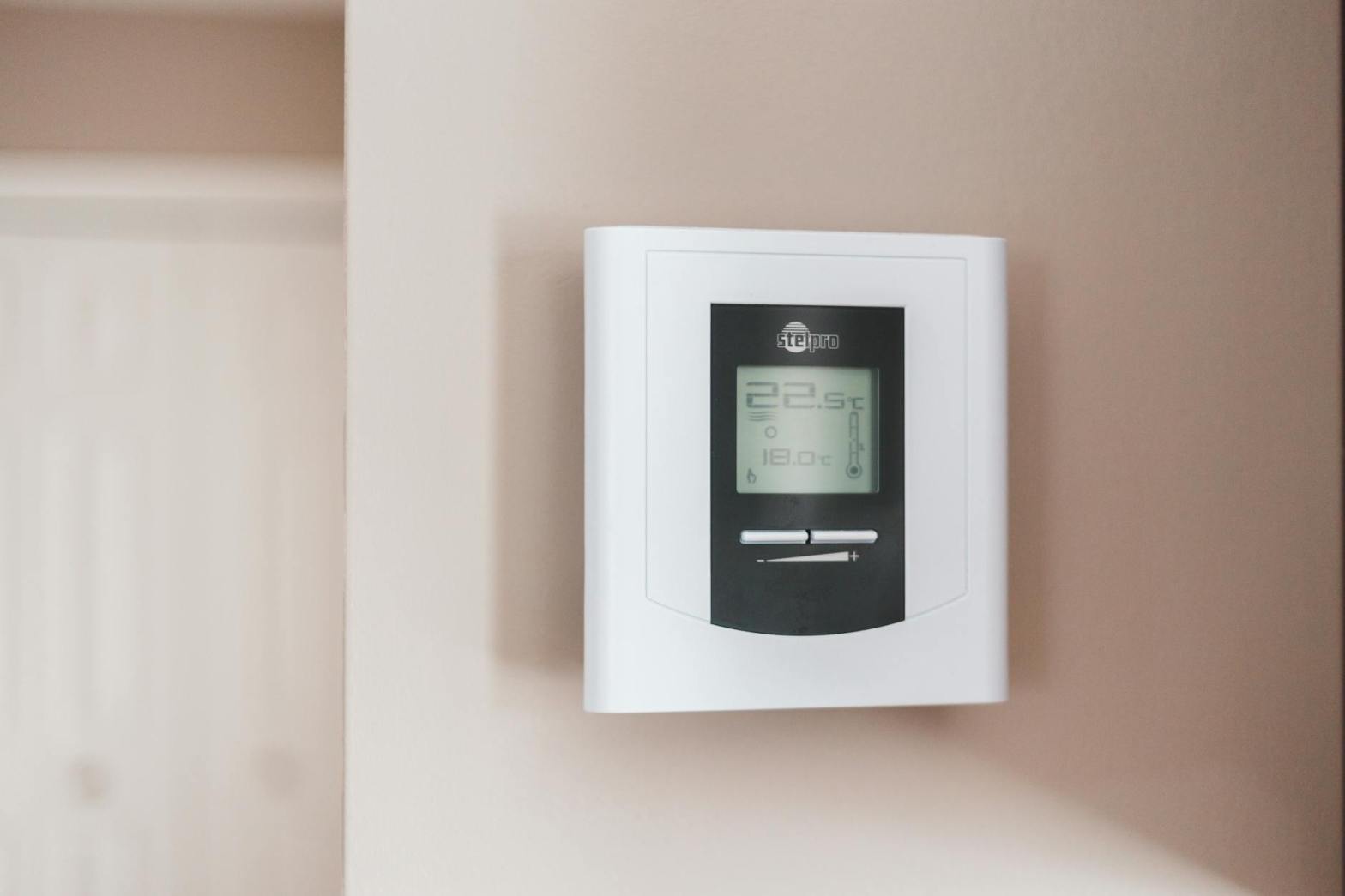
As technology advances, smart thermostats have emerged as a critical tool for managing HVAC systems in commercial settings. These devices offer enhanced control, energy savings, and improved indoor comfort. This blog post will explore the benefits of implementing smart thermostats in commercial environments.
Advantages of Smart Thermostats
- Energy Savings: Smart thermostats can significantly reduce energy use by learning occupancy patterns and automatically adjusting heating and cooling schedules. Businesses can see substantial savings on energy bills as a result.
- Remote Access and Control: Many smart thermostats provide remote access capabilities, allowing facility managers to monitor and adjust HVAC settings from anywhere using a smartphone or tablet. This flexibility enables quick responses to sudden changes in occupancy.
- Integration with Building Management Systems: Smart thermostats can often integrate with existing building management systems (BMS) to streamline operations, manage multiple systems, and provide real-time data analysis for better decision-making.
- User-Friendly Interfaces: The intuitive interfaces found on smart thermostats make it easier for facility managers to program schedules, adjust settings, and monitor system performance.
Installation and Setup
Implementing smart thermostats in a commercial space typically involves:
- Evaluating Existing Systems: Assessing existing HVAC systems to ensure compatibility with smart thermostat technology.
- Professional Installation: Having qualified technicians install and calibrate the smart thermostats for optimal performance.
Conclusion
Smart thermostats are transforming the way businesses manage their HVAC systems, offering energy savings, improved control, and enhanced comfort. If you’re considering upgrading your commercial HVAC system, contact Temple Air Conditioning for expert advice and installation services tailored to your business’s needs.

