

Effective HVAC systems in commercial buildings are vital for maintaining a comfortable working environment. However, these systems can encounter issues that may impact performance. Recognizing the signs that indicate your commercial HVAC system needs repair can prevent operational disruptions and ensure a comfortable atmosphere for employees and clients. This blog post outlines common signs ofContinue reading “Signs Your Commercial HVAC System Needs Repair”
Category Archives: Temple News
Optimizing Your HVAC System for Energy Efficiency

As temperature fluctuations in our homes can impact comfort and energy bills significantly, ensuring your HVAC system operates at optimum efficiency is crucial. With rising energy prices and increasing awareness of environmental impacts, optimizing your heating, ventilation, and air conditioning (HVAC) system is more important than ever. This blog post will outline actionable steps toContinue reading “Optimizing Your HVAC System for Energy Efficiency”
Industrial HVAC and Compliance: What Facility Managers Need to Know

Compliance with health, safety, and environmental regulations is a major responsibility for industrial facility managers. HVAC systems are directly tied to several regulatory requirements, making proper management essential for safe and legal operations. Air quality standards are central to compliance. Industrial facilities must meet regulations regarding ventilation, airborne contaminants, and exposure limits. Effective HVAC systemsContinue reading “Industrial HVAC and Compliance: What Facility Managers Need to Know”
Signs Your Industrial HVAC System Needs an Upgrade
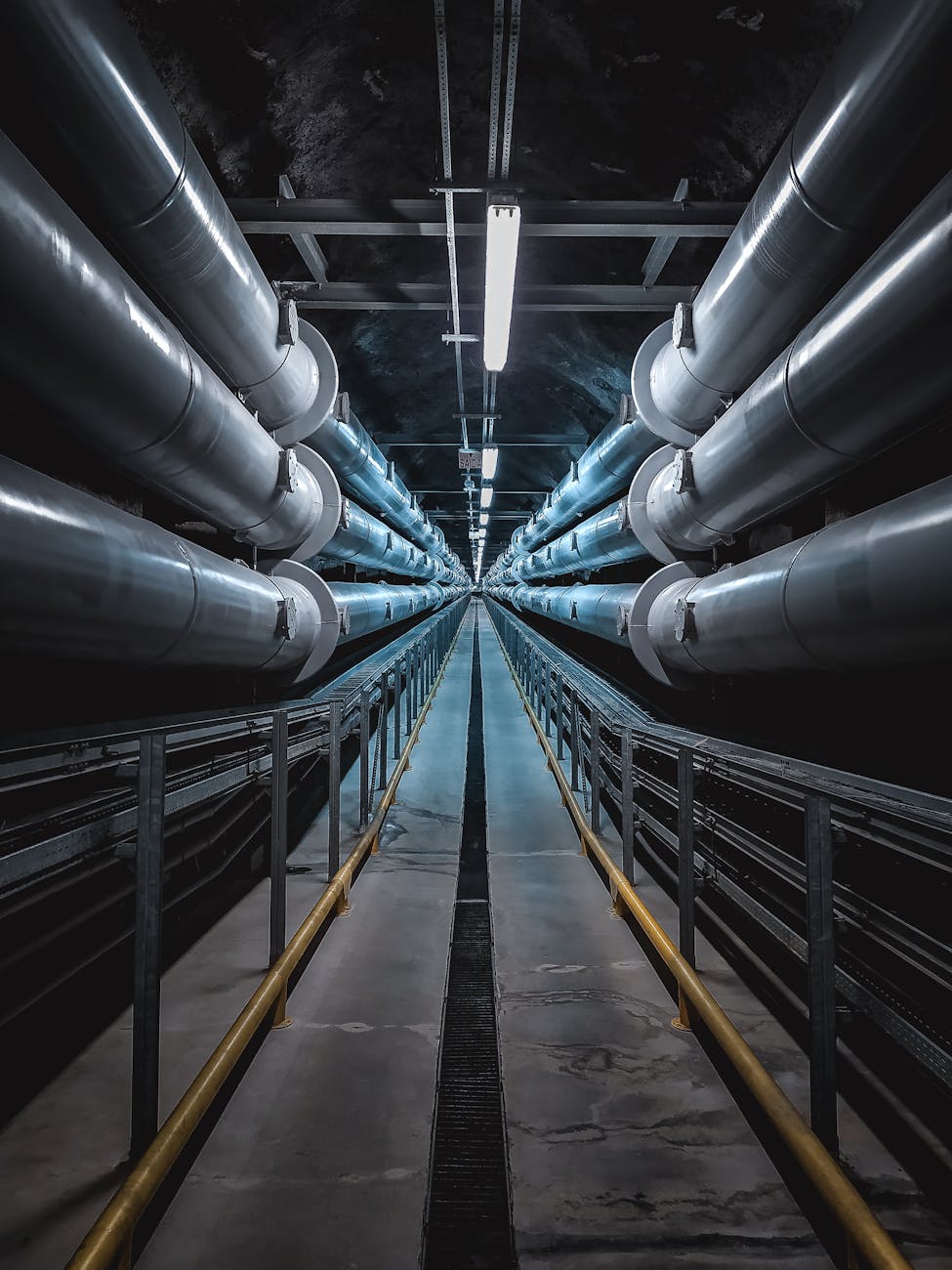
Even the best-maintained industrial HVAC systems eventually reach a point where replacement is the most cost-effective option. Recognising the signs that an upgrade is needed ensures facilities remain operational, energy-efficient, and compliant. Rising energy bills are often the first indicator. Older systems typically operate less efficiently, consuming more electricity to achieve the same heating orContinue reading “Signs Your Industrial HVAC System Needs an Upgrade”
The Benefits of Smart Controls for Industrial HVAC Systems

Modern industrial facilities are increasingly turning to smart HVAC controls to improve efficiency, comfort, and sustainability. These systems leverage technology to provide precise control, monitor performance, and respond to real-time conditions — transforming how industrial HVAC operates. Energy efficiency is a primary benefit of smart controls. By dynamically adjusting heating, cooling, and ventilation based onContinue reading “The Benefits of Smart Controls for Industrial HVAC Systems”
 Temple Air Conditioning and Heating