
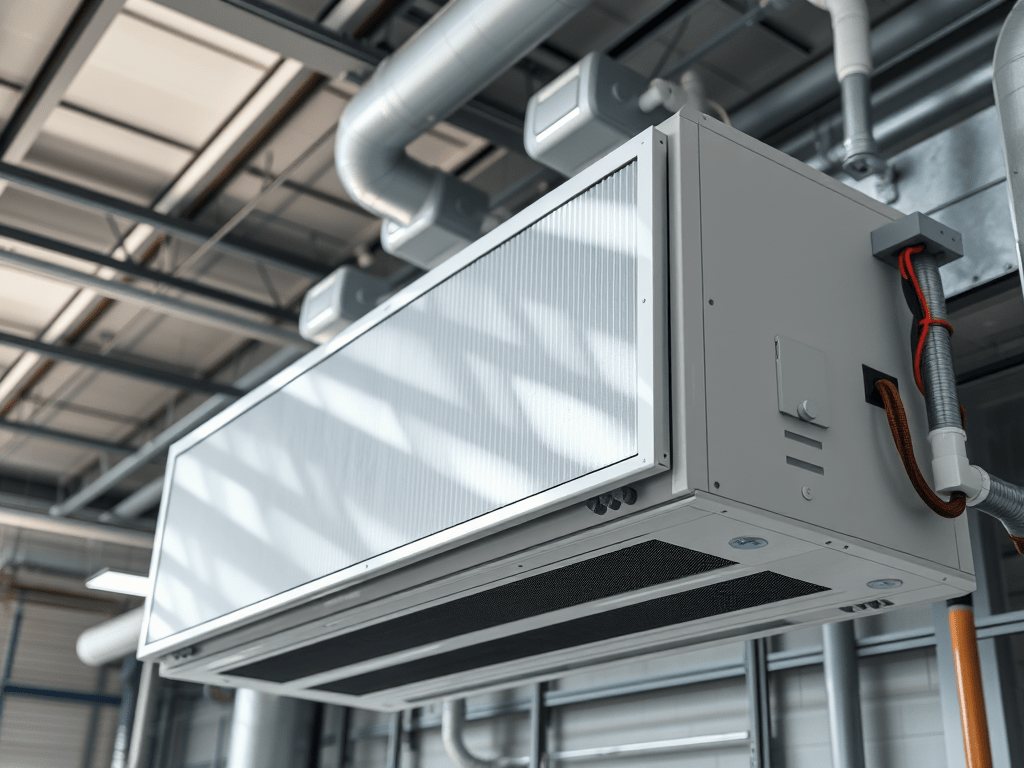
Indoor air quality (IAQ) plays a crucial role in the health, comfort, and productivity of building occupants. Poor air quality can lead to respiratory issues, allergies, and overall discomfort. One of the most effective ways to maintain high IAQ standards is through a well-functioning HVAC system. Here’s how HVAC systems contribute to cleaner and healthier indoor air.
1. Proper Ventilation
Ventilation is essential for maintaining good air quality by introducing fresh outdoor air and removing stale, contaminated air. Modern HVAC systems are designed to regulate airflow effectively, reducing the buildup of pollutants such as carbon dioxide, volatile organic compounds (VOCs), and other harmful particles.
2. Air Filtration and Purification
Advanced HVAC systems include high-efficiency particulate air (HEPA) filters and other air purification technologies that remove airborne contaminants, including dust, pollen, bacteria, and mold spores. Regularly changing and upgrading filters enhances air quality and reduces respiratory risks.
3. Humidity Control
Excess moisture in the air can lead to mold growth and poor IAQ. Conversely, dry air can cause respiratory discomfort. HVAC systems equipped with humidifiers and dehumidifiers help maintain an optimal indoor humidity level, preventing mold formation and ensuring a comfortable environment.
4. Removal of Airborne Contaminants
HVAC systems help eliminate contaminants by circulating and filtering air continuously. In commercial settings, where pollutants from equipment, cleaning chemicals, and high occupancy can degrade air quality, a well-maintained HVAC system ensures a healthier workspace.
5. Regular Maintenance for Optimal Performance
Routine HVAC maintenance is crucial for sustaining good indoor air quality. Cleaning air ducts, replacing filters, and inspecting system components prevent the accumulation of dust and allergens. A well-maintained system operates efficiently and effectively improves air circulation.
6. Smart HVAC Technologies
Modern HVAC systems integrate smart technology, such as sensors and automated controls, to monitor and adjust air quality in real time. These innovations help optimize ventilation, filter efficiency, and humidity control based on environmental conditions and occupancy levels.
7. Energy-Efficient Solutions for Better IAQ
Energy-efficient HVAC systems not only reduce operational costs but also enhance IAQ. Solutions like demand-controlled ventilation (DCV) and energy recovery ventilation (ERV) optimize fresh air intake while minimizing energy waste, ensuring a balance between efficiency and air quality.
Conclusion
A high-performing HVAC system is essential for maintaining superior indoor air quality in commercial and residential spaces. By investing in proper ventilation, air filtration, humidity control, and regular maintenance, businesses can create a healthier and more comfortable environment for employees and customers alike.
For expert HVAC solutions that enhance indoor air quality, visit www.Templeairconditioning.com and explore customized services to meet your needs.
 Temple Air Conditioning and Heating