
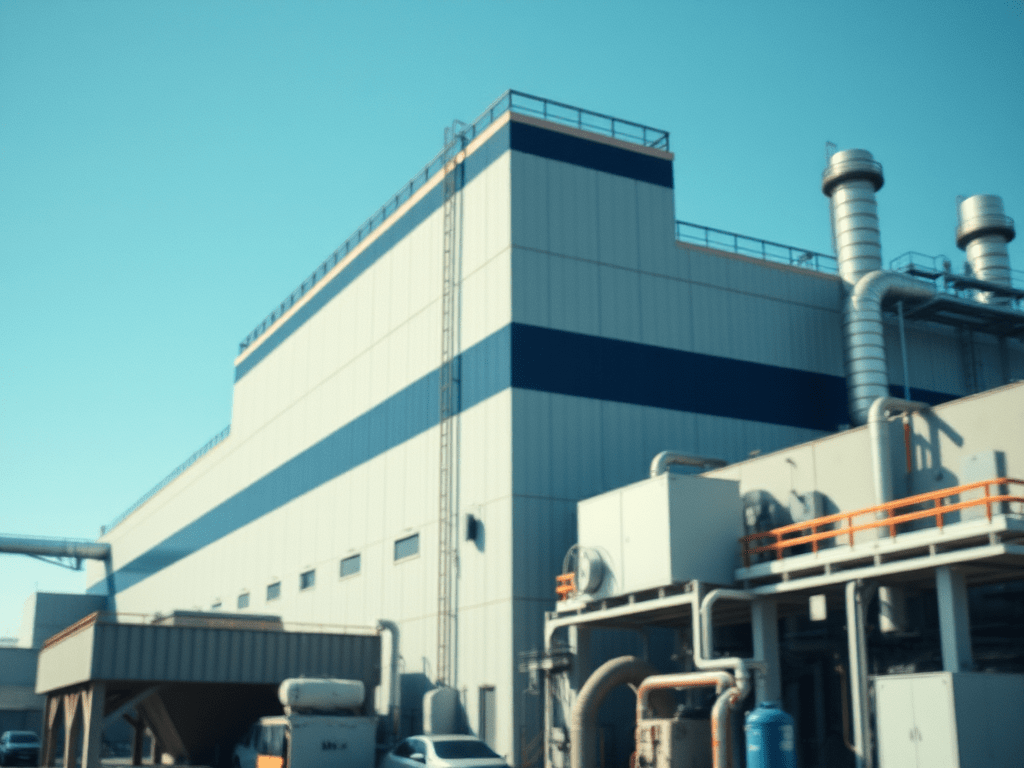
A skunk-like odor in an industrial or commercial facility is more than just a nuisance; it can signal serious underlying issues within the HVAC system that may pose health and safety risks. Understanding the potential causes of this odor is crucial for maintaining a safe working environment.
Potential Causes of Skunk-Like Odors in HVAC Systems
- Natural Gas Leaks: Natural gas is inherently odorless; however, utilities add a sulfur-containing compound called mercaptan to impart a distinctive skunk-like smell, facilitating leak detection. The presence of this odor may indicate a gas leak, which is hazardous and requires immediate attention.
- Sewer Gas Intrusion: Sewer gases, composed primarily of methane and hydrogen sulfide, emit a foul odor similar to that of a skunk. These gases can infiltrate HVAC systems through dry traps, cracked pipes, or inadequate ventilation, leading to potential health hazards.
- Electrical Issues: Overheating or malfunctioning electrical components within the HVAC system can produce odors reminiscent of a skunk or burning plastic. Such issues not only compromise air quality but also pose fire risks.
- Biological Contaminants: The decomposition of organic material, such as rodents or insects within the ductwork, can emit strong, unpleasant odors. Additionally, mold or mildew growth due to moisture accumulation can contribute to musty smells circulating through the HVAC system.
Health and Safety Implications
Exposure to contaminants causing skunk-like odors can lead to various health issues, including:
- Respiratory Problems: Inhalation of mold spores, sewer gases, or combustion byproducts can irritate the respiratory system, exacerbating conditions such as asthma or bronchitis.
- Neurological Effects: Prolonged exposure to certain gases, like methane or hydrogen sulfide, may result in headaches, dizziness, or even more severe neurological symptoms.
- Fire Hazards: Electrical malfunctions emitting skunk-like odors can escalate into fire emergencies if not promptly addressed.
Recommended Actions
To mitigate the risks associated with skunk-like odors in HVAC systems, consider the following steps:
- Immediate Evacuation: If a natural gas leak is suspected, evacuate the area promptly and contact emergency services to address the hazard.
- Professional Inspection: Engage qualified HVAC professionals to conduct thorough inspections, identifying and rectifying issues such as gas leaks, electrical faults, or biological contaminants.
- Regular Maintenance: Implement a routine maintenance schedule for the HVAC system, including cleaning ducts, replacing filters, and checking for signs of wear or damage to prevent odor issues proactively.
- Air Quality Monitoring: Install air quality monitors to detect the presence of harmful gases or pollutants early, allowing for timely intervention.
Addressing skunk-like odors in HVAC systems is essential for ensuring the health and safety of occupants in industrial and commercial facilities. Prompt identification and remediation of the underlying causes can prevent potential hazards and maintain a safe working environment.
If you’re experiencing unusual odors in your HVAC system, don’t wait—call Temple Air Conditioning and Heating at (626) 324-8036 for professional inspection and service. Their expert team can diagnose and resolve the issue, ensuring clean and safe air for your facility.

Services
Need your commercial HVAC fixed or serviced?
Look no further.

About Us
Temple Air has been a part of the
Los Angeles landscape for a long time. Learn a bit about our history and team.

Get a Quote Today
Ready to schedule a
service or have a question?
Give us a call today!
Get in Touch
Reach out so we can work together to find out what you need. We are open 9am-5pm weekdays.
Phone: (626) 448-4530
Email: service@templeairconditioning.com

 Temple Air Conditioning and Heating